27
Aug

When Stress Meets Substance: How Burnout Drives Addiction in Architects

Architecture is a field that demands creativity, precision, and relentless dedication. Architects are tasked with transforming ideas into structures that define our cities and communities. However, the very demands that make architecture a rewarding profession also make it high-risk for stress and burnout. In many cases, chronic stress can lead architects to seek relief through substances, creating a dangerous path toward addiction. At Annuaire de Provence, we understand these unique challenges and provide compassionate, personalized support for professionals struggling with mental health and addiction.

Understanding Burnout in Architecture

Burnout is more than fatigue. It is a state of emotional, mental, and physical exhaustion caused by prolonged stress. In architecture, burnout often results from long hours, high-pressure deadlines, and the constant need to balance creativity with technical and client demands. Architects frequently work late nights and weekends, leaving little time for rest or self-care. Over time, this unrelenting pressure can erode mental resilience, making unhealthy coping mechanisms, including substance use, more likely.

The Link Between Stress and Substance Use

Coping Mechanisms That Turn Risky

Many architects initially use substances as a way to cope with stress. Stimulants like caffeine or prescription medications may help them stay alert during long work sessions, while alcohol or sedatives are used to relax afterward. While these methods may offer temporary relief, they can quickly evolve into dependence. The combination of chronic stress and self-medication creates a cycle where burnout and substance use feed each other, increasing the risk of addiction.

Mental Health Challenges in the Profession

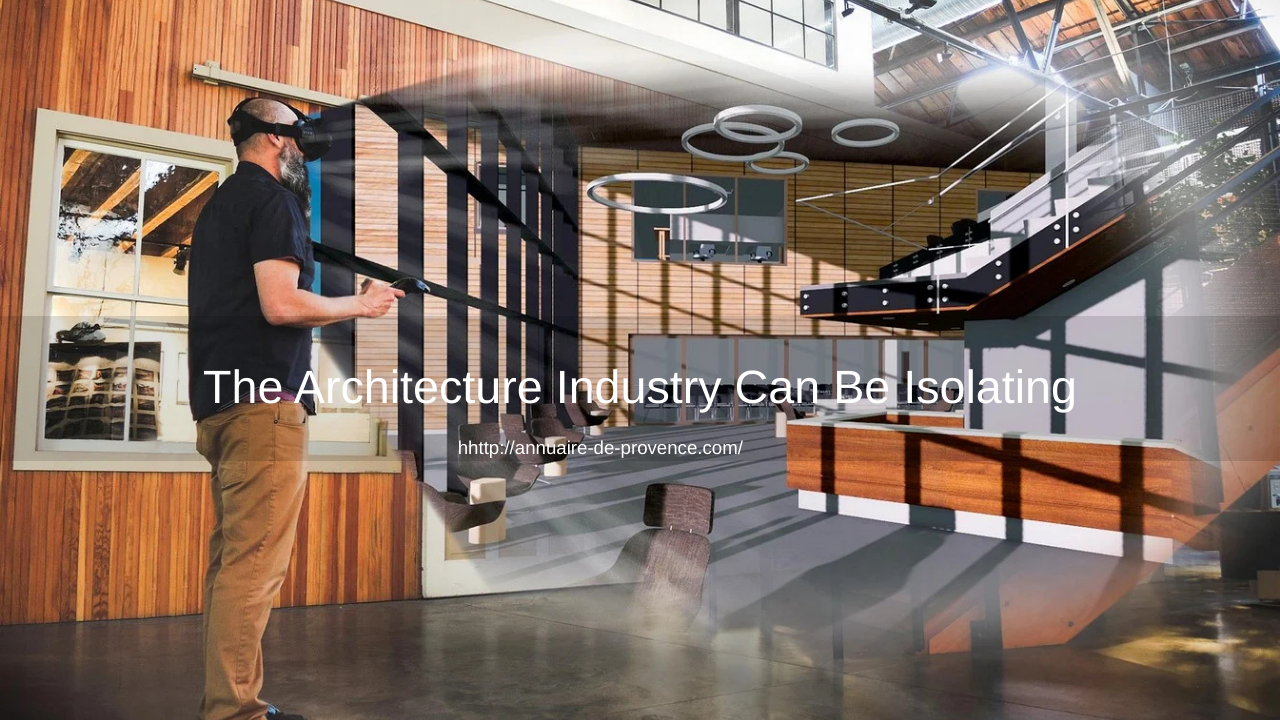
The architecture industry can be isolating despite its collaborative nature. Architects spend significant time working alone on detailed projects, which can exacerbate feelings of loneliness or anxiety. Coupled with perfectionist tendencies and fear of professional failure, these mental health pressures increase vulnerability to addiction. Early recognition and intervention are crucial to prevent these issues from escalating.

Strategies for Recovery and Wellness

Personalized Treatment Plans

At Annuaire de Provence, we emphasize individualized care. Addiction recovery programs are tailored to each person’s unique situation, combining therapy, counseling, and medical support. Both inpatient and outpatient options are available to provide the structure and flexibility necessary for successful recovery. Addressing the underlying causes of stress and addiction is essential for long-term wellness.

Holistic and Faith-Based Support

Recovery is most effective when it addresses the whole person. Holistic practices such as mindfulness, yoga, art therapy, and nutrition help rebuild balance and reduce stress. For those seeking spiritual guidance, faith-based support can provide additional emotional strength and purpose. By integrating these approaches, architects can learn healthier coping strategies and rebuild resilience.

Building a Supportive Environment

Peer support and community engagement play a critical role in maintaining recovery. Group therapy, mentorship, and support networks allow individuals to share experiences, reduce isolation, and reinforce accountability. Establishing a strong support system is vital for sustaining long-term mental wellness and preventing relapse.

Taking the First Step Toward Recovery

Burnout and addiction in architecture are serious concerns, but recovery is possible. Recognizing the signs, seeking help, and embracing personalized care are the first steps toward breaking the cycle. At Annuaire de Provence, we provide compassionate guidance every step of the way, offering treatment that restores balance, resilience, and hope.

If you or a loved one is struggling with stress, burnout, or addiction, do not wait. Reach out today to explore how our programs can help you reclaim your well-being and build a healthier, more sustainable professional and personal life.

Your journey to recovery begins now. Contact us and take the first step toward healing.
17
Aug

Overcoming the Architecture Addiction Cycle: Strategies for Mental Wellness

Architecture is a profession built on vision, precision, and creativity. Yet, behind the elegance of finished projects, many architects quietly wrestle with overwhelming stress, burnout, and in some cases, addiction. The demands of long hours, perfectionist expectations, and constant deadlines can create an unhealthy cycle where professionals turn to substances or unhealthy coping mechanisms. Breaking free from this cycle requires not only courage but also the right tools and support. At Annuaire de Provence, we believe recovery is possible when care is holistic, compassionate, and tailored to each individual.

Understanding the Cycle of Addiction in Architecture

Addiction often develops gradually. For many architects, the cycle begins with stress. The constant pressure to meet client demands, deliver flawless designs, and manage complex projects can push professionals to rely on stimulants to stay awake or alcohol to unwind after long hours. At first, these behaviors may feel manageable. Over time, however, reliance turns into dependency, and dependency can grow into addiction.

This cycle is compounded by architecture’s culture of overwork. Pulling all-nighters and sacrificing personal well-being often feels like part of the job. Unfortunately, this environment normalizes unhealthy habits while discouraging individuals from seeking help. Recognizing the pattern is the first step toward breaking it.

Strategies for Mental Wellness and Recovery

Prioritizing Self-Care and Boundaries

Recovery starts with setting healthier limits. Architects often put their work above everything else, but mental wellness requires balance. Establishing boundaries around work hours, taking time to rest, and engaging in hobbies outside of architecture are crucial steps. These practices help restore energy, reduce stress, and create space for healing.

Seeking Professional Support

Addiction is not something anyone has to face alone. At Annuaire de Provence, we provide comprehensive recovery services that address both addiction and underlying mental health concerns. For some, inpatient care offers the structure and intensive support needed to reset. For others, outpatient programs provide flexibility while still offering therapy, counseling, and accountability. Each treatment plan is personalized to reflect individual needs and circumstances.

Incorporating Holistic Healing

True recovery goes beyond addressing the physical aspects of addiction. Holistic approaches such as mindfulness, yoga, art therapy, and nutrition play an essential role in restoring balance. These practices reduce stress, improve focus, and help reconnect individuals with themselves in meaningful ways. For those seeking a spiritual dimension in their journey, our faith-based programs provide guidance and strength rooted in compassion and hope.

Building Resilience Through Community

Isolation often fuels addiction. By fostering community support, individuals can replace loneliness with connection and encouragement. Whether through group therapy, support networks, or faith-based communities, building a circle of accountability and empathy strengthens recovery and sustains long-term wellness.

Breaking Free and Reclaiming Life

Overcoming addiction in the world of architecture may feel daunting, but it is absolutely possible. Recovery is not about perfection. It is about progress, healing, and building a healthier foundation for the future. With the right strategies and support, architects and other professionals can learn to manage stress, prevent burnout, and create lives that are as meaningful as the structures they design.

At Annuaire de Provence, we are committed to guiding individuals through every stage of recovery. Our holistic, faith-based, and personalized programs are designed to treat the whole person—mind, body, and spirit. If you or someone you love is caught in the cycle of addiction, now is the time to reach out.

Healing begins with one step. Contact us today and let us help you build not just better designs, but a stronger, healthier life.

7
Aug

The Burnout Epidemic: Why Architects Face Higher Addiction Rates

In the world of architecture, creativity meets precision, and innovation demands long hours and relentless focus. Architects are respected for their ability to transform space and vision into reality, but behind this professional brilliance often lies a quiet struggle. A growing number of architects are facing burnout, and with it, a higher risk of addiction. Understanding this link is essential not only for those in the profession but also for anyone supporting a loved one in a high-stress career. At Annuaire de Provence, we believe healing begins with understanding—and we are here to help.

The Hidden Pressure Behind the Designs

Architecture is more than drawing plans. It’s a demanding, high-stakes career that often requires perfectionism, attention to detail, and a deep well of creative energy. Architects are responsible for delivering designs that meet aesthetic, structural, legal, and budgetary requirements—all while managing tight deadlines and client expectations.

This intense pressure leads to chronic stress, and over time, that stress builds into burnout. Burnout is more than fatigue. It’s emotional exhaustion, loss of motivation, and a sense of detachment from work and life. Unfortunately, when mental exhaustion goes unchecked, many turn to substances as a way to cope.

Why Burnout Leads to Addiction in Architecture

The Overwork Culture

In many architectural firms, working late into the night is normalized. Pulling all-nighters on tight deadlines isn’t just common—it’s often expected. This work culture promotes constant performance over personal well-being. Over time, this imbalance breaks down the body and mind.

To stay focused, some architects turn to stimulants like caffeine or prescription medications. Others rely on alcohol or sedatives to relax after long days. What starts as occasional use to manage stress can quietly evolve into dependency. The shift is subtle but dangerous.

Emotional Isolation and Mental Health Struggles

Architecture can be isolating. Despite being a collaborative field, many architects spend hours working alone on designs or in high-pressure meetings. The long hours, solitary work, and heavy responsibility create a perfect storm for anxiety, depression, and eventually substance use.

Yet, because the profession prizes resilience and problem-solving, asking for help can feel like failure. Many professionals hide their struggles until addiction has already taken hold.

A Compassionate Approach to Healing

At Annuaire de Provence, we understand the unique challenges professionals like architects face. Our addiction recovery programs are designed to meet individuals where they are—mentally, emotionally, and spiritually.

Personalized and Professional Care

We offer both inpatient and outpatient care, depending on the level of support needed. Each treatment plan is tailored to the individual, focusing on root causes such as chronic stress, perfectionism, and emotional trauma. Therapy, counseling, and medication management are integrated into a whole-person approach.

Holistic and Faith-Based Healing

Healing is not just about removing the substance. It’s about restoring the whole self. We incorporate holistic methods like mindfulness, yoga, nutrition, and spiritual care into our treatment programs. For those who desire it, our faith-based approach offers a path to deeper emotional healing and renewed purpose.

Breaking the Silence, Finding the Way Forward

Addiction doesn’t discriminate. It affects professionals, parents, students, and creatives alike. The sooner the signs are recognized, the greater the chance of recovery. If you or someone you love is struggling with burnout or addiction, especially in a high-pressure profession like architecture, help is available—and healing is possible.

At Annuaire de Provence, we are committed to walking with you every step of the way. Reach out today for a confidential consultation. Whether you need immediate support or are exploring options, we are here to listen, support, and help you reclaim your life.

Your healing journey starts here. You don’t have to do it alone.