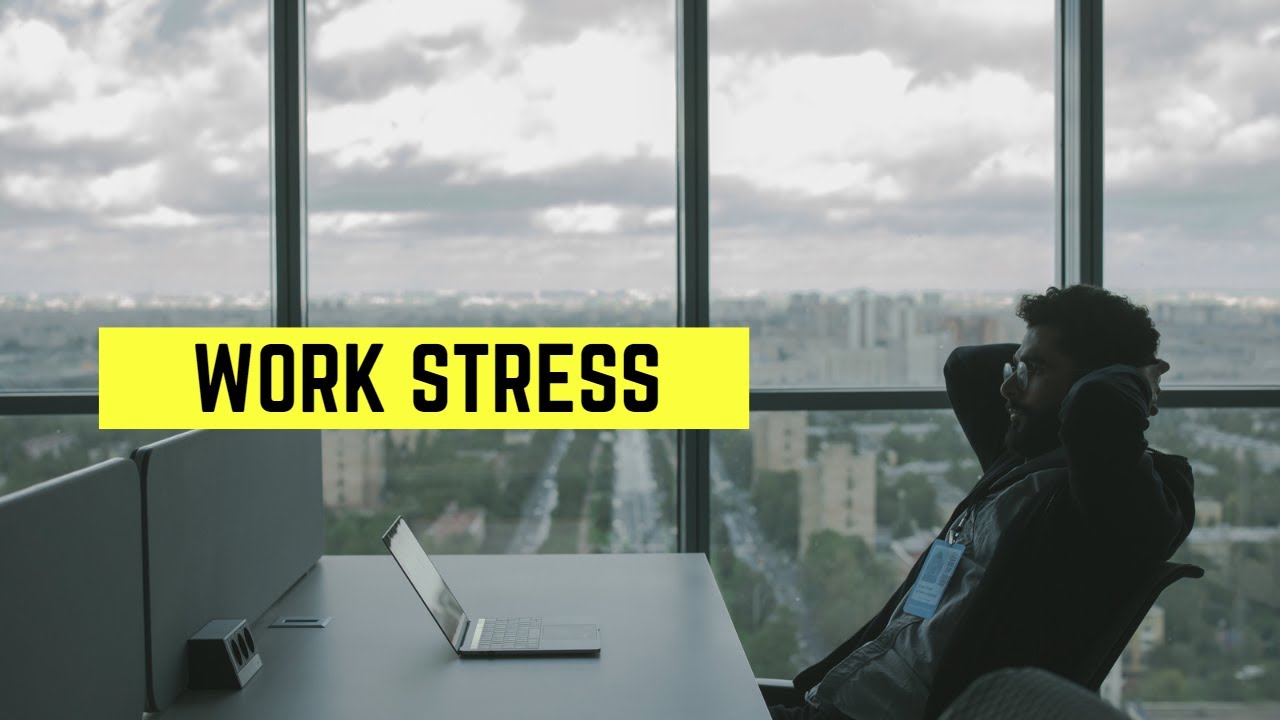
Architecture is a profession that blends creativity, precision, and innovation. Architects are tasked with designing spaces that shape communities and inspire others. Behind this impressive work, however, lies a hidden reality: many professionals face intense stress, long hours, and high expectations that can contribute to mental health challenges and addiction. At Annuaire de Provence, we understand the pressures of the architecture field and offer compassionate, holistic, and individualized support for those seeking recovery.
Understanding the Unique Pressures in Architecture
Balancing Creativity and Responsibility
Architects manage multiple responsibilities simultaneously, from client demands to building codes and design innovation. The need to deliver flawless results under tight deadlines can create chronic stress. Over time, some professionals turn to alcohol, prescription medications, or other substances as a way to cope with pressure.
Perfectionism and Emotional Strain
Perfectionism is a common trait among architects. While striving for excellence drives the profession forward, it can also contribute to anxiety, self-criticism, and burnout. Unchecked stress may lead to unhealthy coping strategies, including substance use, which can quietly escalate into dependency.
Isolation and Professional Demands
Much of architectural work involves solitary design and extended periods focused on intricate projects. This professional isolation can make it difficult for architects to share emotional struggles, increasing the risk of hidden addiction. Without support, stress and mental health challenges may remain unaddressed until they significantly impact personal and professional life.
Recognizing Signs of Addiction in Architects
Behavioral Indicators
Early signs of addiction can include withdrawal from colleagues, mood changes, irritability, and missed deadlines. Increasing reliance on substances to manage stress or enhance performance may signal a developing problem.
Emotional and Physical Symptoms
Chronic anxiety, depression, fatigue, and disrupted sleep patterns can indicate underlying struggles. Physical symptoms such as headaches, appetite changes, or persistent tension may also be warning signs that intervention is needed.
Impact on Career and Relationships
Addiction can affect creativity, decision-making, and professional performance. Missed deadlines, declining work quality, and strained relationships with clients or coworkers are indicators that support is required.
Effective Approaches to Recovery
Holistic and Individualized Programs
Annuaire de Provence provides recovery programs designed to address mental, emotional, and physical well-being. Holistic approaches include stress management strategies, mindfulness practices, movement therapy, and nutrition counseling to help restore balance and resilience.
Faith-Based Support Options
For professionals who value spiritual guidance, faith-based programs provide purpose, emotional grounding, and motivation during recovery. Combining these practices with therapy strengthens overall recovery outcomes.
Community and Peer Support
Group therapy and peer support networks reduce isolation and create safe spaces to share experiences. Community involvement fosters accountability and encouragement, essential for long-term recovery.
Flexible Inpatient and Outpatient Care
Programs are designed to accommodate professional responsibilities. Inpatient care offers structured, intensive support, while outpatient programs allow architects to maintain work while participating in therapy. Personalized treatment ensures recovery fits individual needs and lifestyle.
Taking the Next Step Toward Wellness
Addiction does not diminish an architect’s talent or creativity. Recognizing the pressures of the profession and seeking compassionate support can restore balance, clarity, and fulfillment. At Annuaire de Provence, we provide individualized programs and holistic care that empower architects to reclaim their health, professional focus, and personal well-being.
If you or a colleague are struggling with stress, burnout, or addiction, reaching out today can be the first step toward recovery. Professional guidance, supportive programs, and a compassionate community are available to help rebuild life and sustain lasting wellness.